Tsinghua PBCSF and Huawei Central Bank BU Co-Host National Payment & RegTech Roundtable, Advancing Financial Sector Development and the Belt and Road Initiative
[Beijing, May 19, 2026] During the Tsinghua PBCSF Global Finance Forum, Tsinghua PBCSF and Huawei Central Bank BU co-hosted a high-level roundtable on next-generation national-level payments and RegTech enabled by digital technologies. The event brought together over 40 senior officials from central banks and financial regulatory authorities across Cambodia, Bangladesh, Indonesia, the Philippines, Nigeria, and Tanzania. It also featured distinguished guests including Dr. Jacob Aharon Frenkel, former Governor of the Bank of Israel and internationally renowned financial scholar; Marc Uzan, Founder and Executive Director of the Reinventing Bretton Woods Committee (RBWC); and Chea Serey, Governor of the National Bank of Cambodia.
The roundtable provided a high-level platform for exchange among central bank executives and senior financial policymakers. Participants engaged in in-depth discussions on the development of next-generation national-level payments infrastructure, regulatory compliance trends, and practical implementation, fostering industry consensus and advancing the digital transformation of central banks worldwide.
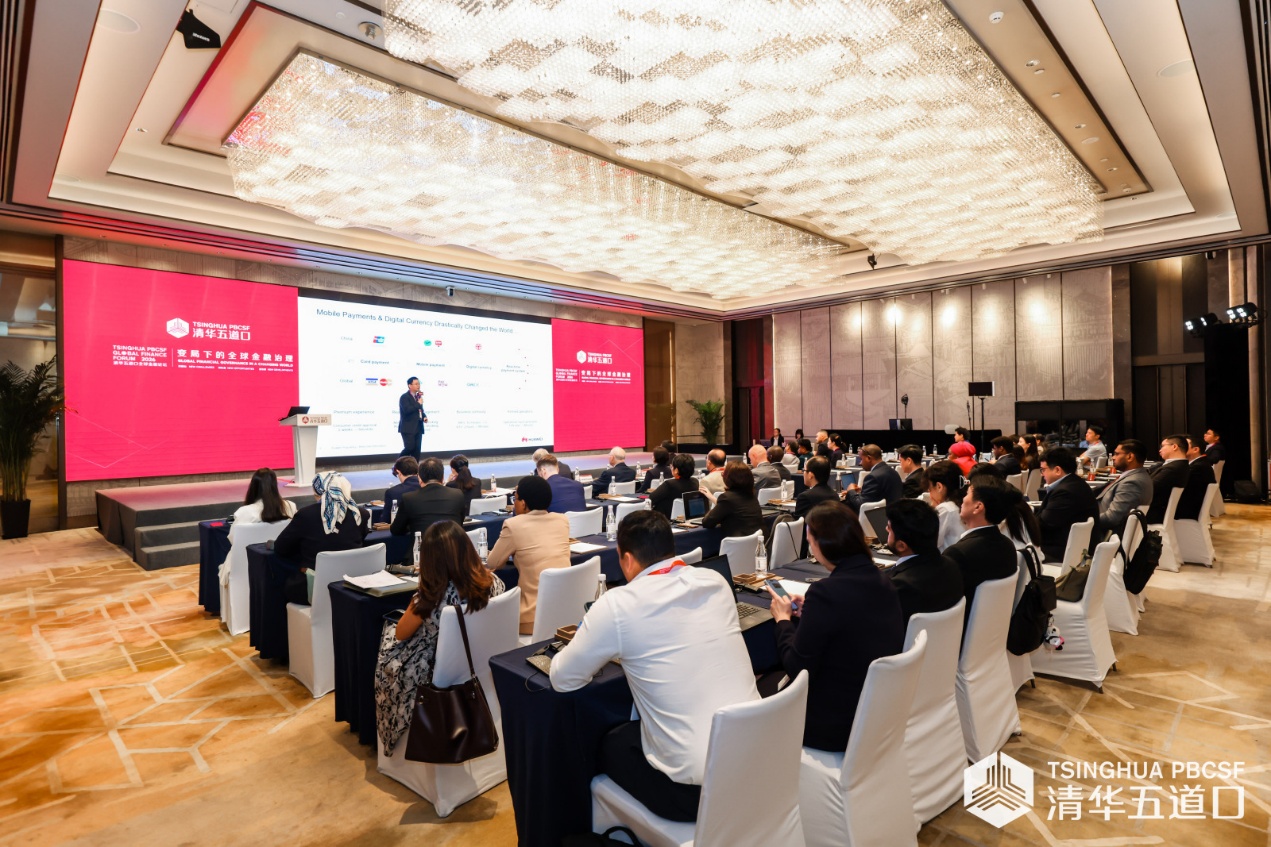
As the digital transformation of the global financial sector continues to accelerate, the demand for highly resilient financial infrastructure is becoming increasingly urgent. Digital technologies have become a key driver of improving payment efficiency, strengthening financial security, and enhancing cross-border regulatory oversight. Against this backdrop, central banks worldwide are accelerating the development of national-level payments systems and the deployment of SupTech. Leveraging technological innovation to address transformation challenges and promote high-quality financial sector development has become a shared priority across the global financial community. Centered on technology-driven empowerment, the roundtable closely aligned with the practical needs of central banks' digital transformation, providing an effective platform for in-depth dialogue among central banks, the financial industry, and technology enterprises.
Fernando Liu, President of Huawei Central Bank BU, engaged in in-depth discussions with participants. He noted that Huawei will leverage its deep ICT expertise and full-stack solutions, and, through the RONGHAI Partner Program, work with leading global financial industry associations, academic institutions, software vendors, and local systems integrators to build an ecosystem covering key areas such as national-level payments systems for central banks. The initiative aims to support central banks worldwide in advancing digital transformation and to help countries build next-generation financial infrastructure that is efficient, secure, and intelligent.
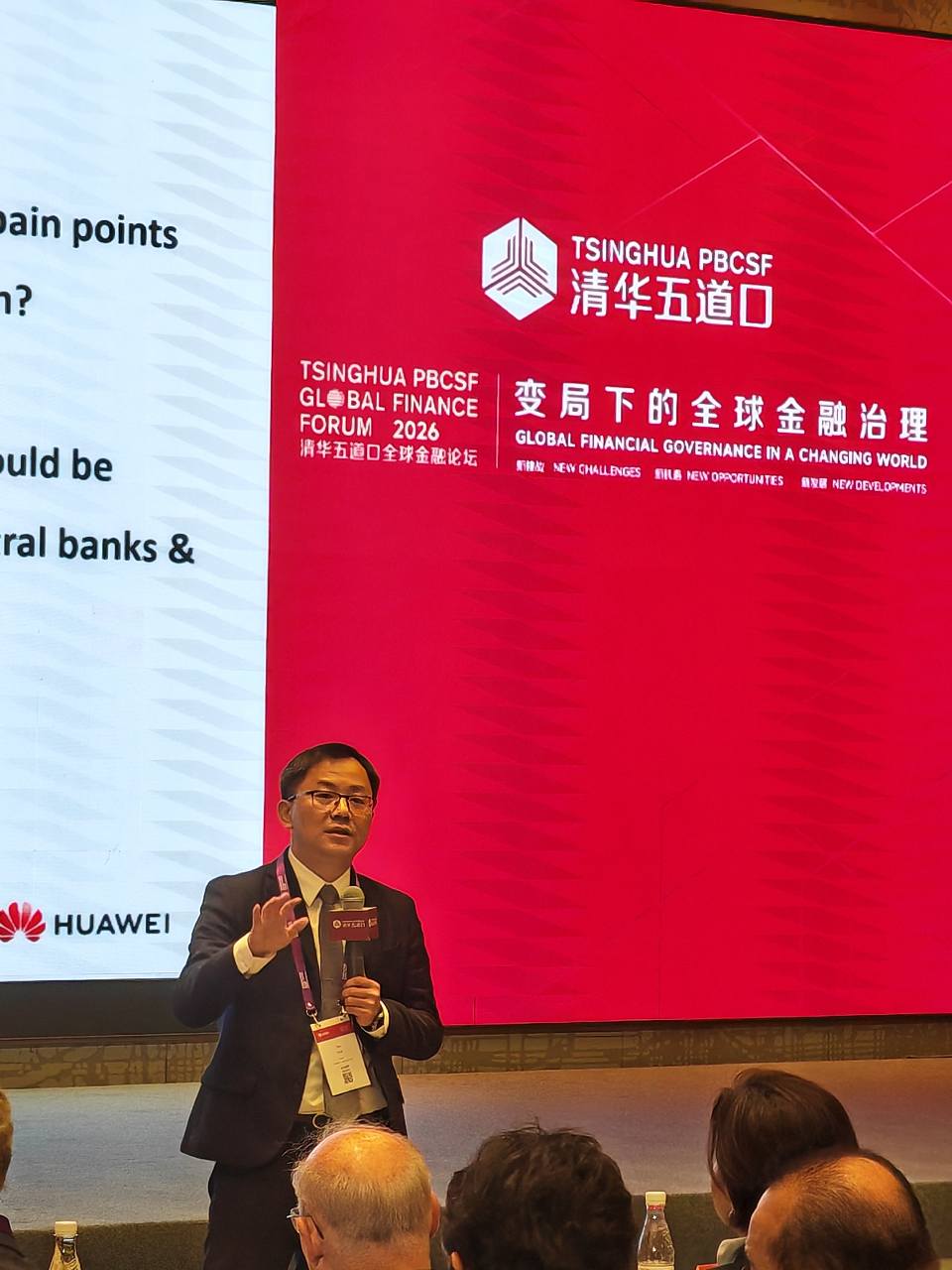
Frank Lu, Director of Huawei Central Bank BU Solution Sales Dept, presented Huawei's overall business layout, industry digitalization experience, and proven implementation cases. Addressing three key challenges faced by central banks globally—the digital divide, lagging regulatory frameworks, and low cross-border payment efficiency—he outlined Huawei's approach to supporting the development of national-level financial infrastructure based on an integrated device-edge-cloud-AI architecture. He also highlighted how advanced technologies can better support financial inclusion and the real economy, and shared representative cases demonstrating how resilient infrastructure enables central banks to advance digital and intelligent transformation.
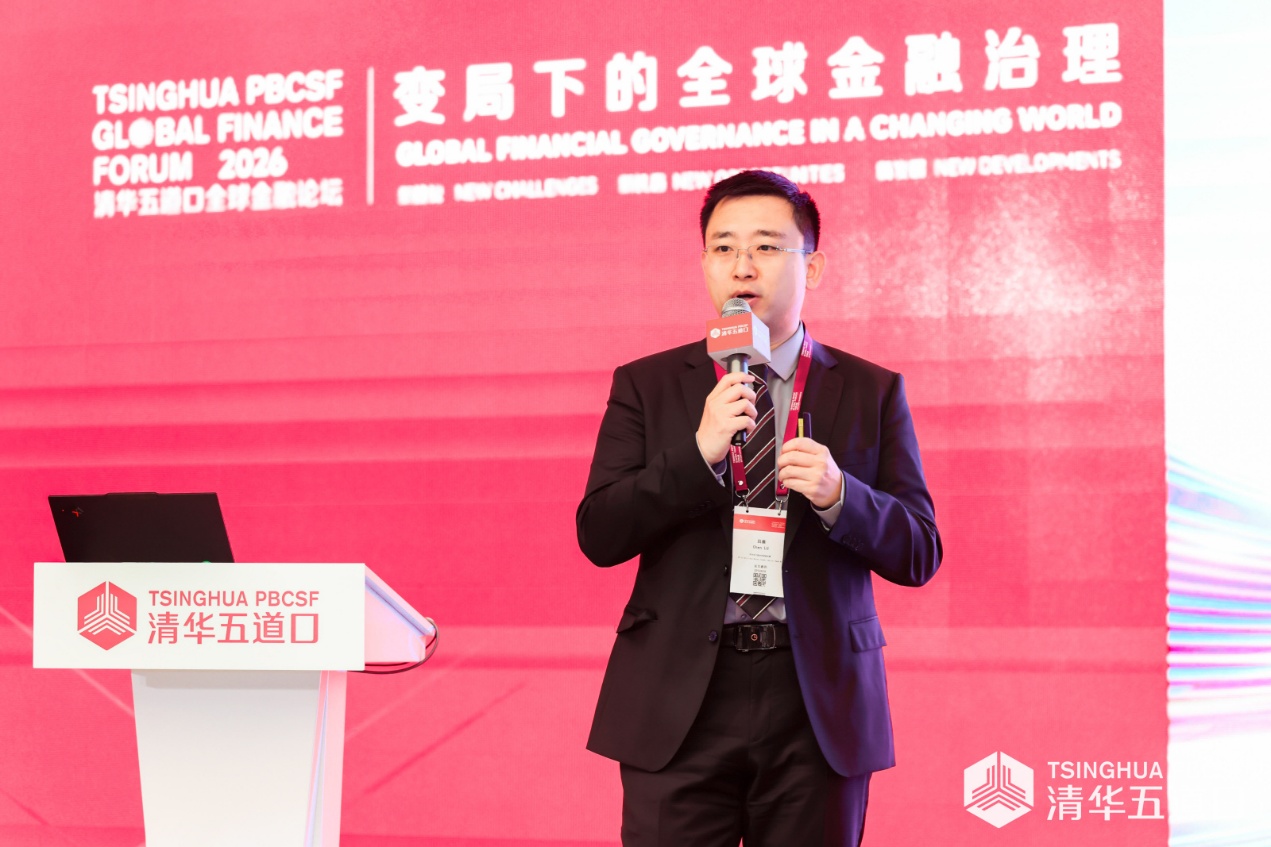
During the session, participants engaged in in-depth discussions on China's central banking regulatory practices, reviewing the development of national-level payments infrastructure and the establishment of industry standards. China's experience in financial risk prevention and comprehensive governance provided practical insights for other countries seeking to enhance payments systems and strengthen modern regulatory frameworks.
In the international case-sharing session, Muhammad Zakir Hasan, Head of ICT at Bangladesh Bank, shared the country's experience in the digital transformation of its national payments systems. He presented practical approaches to applying digital technologies in advancing financial inclusion and improving public payment services, providing a valuable reference for central banks worldwide.
The forum concluded with an open discussion on key challenges and strategic priorities in advancing payments systems and regulatory compliance in the digital era. Participants exchanged views on topics including data sovereignty, financial infrastructure resilience, and end-to-end security governance, laying the groundwork for future collaboration and joint innovation.